
Materials Innovation
We unlock the building blocks created by nature. Using our proven and scalable Plantrose technology, we transform biomass into new and unique materials that have immense functionality in a variety of markets and applications. These materials enable the replacement of formaldehyde in adhesives, and the production of sustainable aviation fuel (SAF) and other specialty materials. We are the upstream answer using forest residues to meet our growing need for more bio-content performance materials with attractive CO2 emission profiles. We are now sharing commercial quantities of our materials innovation with the world.
What We Do
Our platform Plantrose® technology is the key to releasing unique materials from biomass.
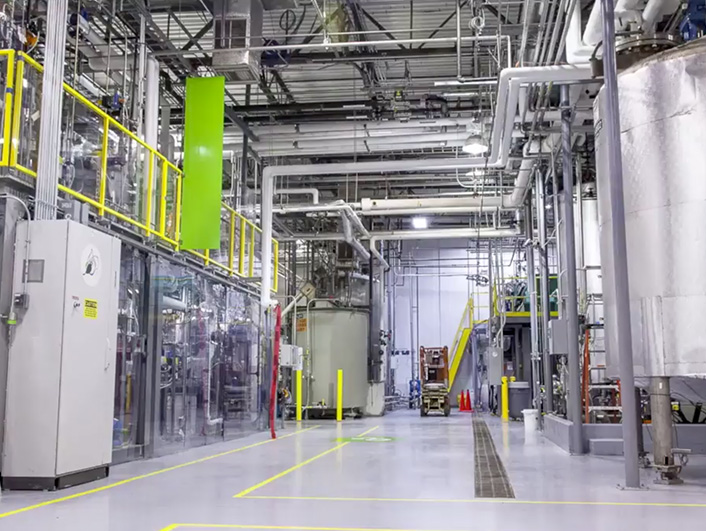
Our materials innovation upcycles biomass needed for a renewable world. These biomass products have new performance advantages and are cost competitive with higher-emitting CO2 fossil fuel products. That’s why the Plantrose platform is an incredible breakthrough. Only using water, we transform the biomass into new and unique materials that have immense functionality. Today, we produce specialized materials rich in our unique lignin under our Omno brand with a focus on construction adhesives as well as natural polyols for sustainable development pathways.

Omno® Polymers & Construction Adhesives
Cost-Parity Replacement of phenol formaldehyde
The world, including regulators, are demanding significant reduction of formaldehyde in all products, including the phenol formaldehyde resin (PFR) used in construction and wood adhesives. The U.S. EPA considers formaldehyde a high-priority chemical that presents an unreasonable risk to human health and has been moving steadily toward increased regulation of its use. Plantrose provides a unique, sustainable, forest-sourced material that can replace significant portions of the PFR in adhesives. We are working with market leaders in this pursuit. Our Omno brand materials do this by delivering the needed performance, being cost competitive, offering the sustainability and low emissions demanded by downstream consumers, and providing this wood source material solution consistent with a forest led product.
Forest Derived,
Low Emission,
Cost Competitive
Plantrose delivers to consumers demanding sustainability, reduced emissions, and improved human wellness - while also delivering to industry these materials that are also cost competitive with their petrol-derived counterparts. Industries that include fuels, chemicals, adhesives, foams, and more. The Plantrose process turns renewable, sustainably-sourced biomass into materials that can be used to drive lower emissions, replace fossil fuel-derived materials, and mitigate climate change in these hard to abate industries. For product like construction, wood, and furniture adhesives, using forest-derived materials over petrochemicals is an innovation needed by an industry facing increased regulation and a market with consumers demanding better wellness environments for their living and working spaces. The efficient Plantrose process and stable feedstock markets that have developed over several decades deliver this innovation at a cost competitive with its replaced counterpart.

Biorefinery - Expanding Capacity
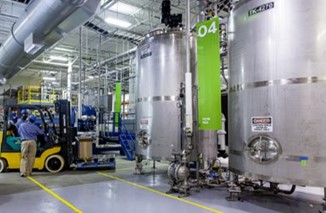
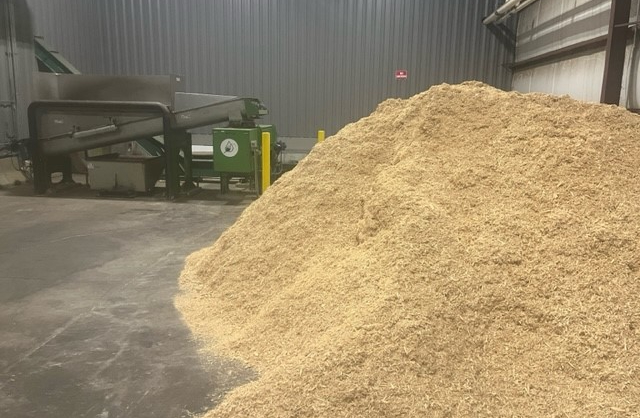
Biorefineries are the logical evolution of refining renewable feedstock and present a winning opportunity to build natural production capacity in the future. A biorefinery would take in woody biomass and churn out an array of products that would include (for example) fermentable sugars to create sustainable fuels like SAF, Omno polymers rich in our unique lignin for construction and wood adhesives, and natural polyols for chemical other applications like polyurethane foams. We operate two facilities today, one in Rome, New York and one in Kennesaw, Georgia, where we produce commercial quantities of our Omno polymers. We are actively planning our Omno expansion facility in the United States.
Why It Matters
Responsible use and care of Mother Nature’s bounty is in the DNA of our technology and company culture.
Mother Nature makes the biomass rich with an abundance of cellulose and lignin in the cell wall structure. Plantrose was born with the intent to provide valuable materials for many applications while protecting the well being of our environment, the people, and all creatures. We can serve the markets, upcycle waste streams, bring technology to rural communities, and protect our planet. The time is now for low-emission materials that can increase decarbonization of hard-to-abate industries like adhesives, aviation fuel, and more. We can do it today and support the demand growth consumers are seeking. The time is now for Plantrose.

Curious to Learn More?
Why Choose Renmatix
Plantrose Materials are powerful, versatile, and unique
We create powerful, versatile and unique materials using the Plantrose technology. And we can do it using sustainably sourced, renewable biomass – in a cost competitive manner at commercial scale. These materials include fermentable cellulosic sugars, lignin, natural polyols, cellulose, microcrystalline cellulose, nanocrystalline cellulose, Type I cellulose, Type II cellulose, small and long chain oligomers, plant-based fiber, soluble and insoluble. Plantrose can also be tuned to create degradation products (if desired) such as furfural, HMF, acetic acid, and lactic acid. Because our process uses only water, heat and pressure, the products are clean and clear of any acids, enzymes, or other chemicals that other processes use to break down the biomass. We produce no-odor and sulfur-free lignin. We produce multiple forms of lignin, including highly pure lignin, highly functional lignin, lignin combined with sugars and/or cellulose, small particles and large particles, and with a range of moisture content available. We have an array of hard data showing that our lignin is more native-like than other technical lignins – providing strong functionality. Studies have also shown that lignin combined with carbohydrates (such as sugars and/or cellulose) can result in better outcomes for some downstream uses, particularly wood adhesives. These materials have strong antioxidant properties that help protect the final product in which they are incorporated (plastics, for example). Cellulose particles produced by Plantrose have unique size, shape, and performance characteristics. They are an effective emulsifier via a pickering emulsion, they are a hydrocolloid and a humectant (assisting with the retention of moisture) in desirable applications. They are highly crystalline making them strong which leads to high performance in drilling, machining, and other industrial applications. With a low aspect ratio, they enable a gentle but effective abrasive/exfoliant with a silky-smooth feel.
Lignin, Polyols & Sugars to enable Downstream Biofuels & Biochemicals
Cellulosic sugars (also called second generation sugars) have always been the key to delivering the high volumes and reduced cost volatility needed for meaningful transition towards renewable fuels and chemicals and decarbonization. The Renmatix Plantrose technology delivers the lowest cost cellulosic sugar, at a cost competitive with first generation sugar sources and low enough to enable many bio-industrial value chains. Our technology is biomass agnostic, meaning it works on any kind of biomass and we have tested dozens of types and species. Because our current target biomass is woody biomass, our sugars do not compete with food – they do not come from biomass sources that could otherwise be used as food. In the biorefinery context, where valuable coproducts (lignin and cellulose) are utilized to their potential, biofuels and biochemicals from Plantrose sugars can be quite profitable. Plantrose is proven to enable the use of non-food biomass that can be processed continuously and reliably at commercial scale. Indeed, this has been proven. Plantrose sugars have been fermented into dozens of downstream products, and are proven to easily ferment into ethanol using off-the-shelf organisms as well as engineered organisms. Renmatix has developed a variety of techniques to produce the custom specification needed by a specific organism to successfully and cost-efficiently produce the desired molecule. Plantrose sugars are truly the new oil.
Science and engineering came together to solve an old problem with a clean, renewable technology
Plants, when broken down, have incredibly diverse utility. Industry has been breaking down biomass for decades using acids, chemicals, and enzymes. The paradigm shift of Plantrose® is that we break it down quickly, cleanly, and affordably. Our products are made at a price where the world can afford to use our unique materials to replace the more common petrochemical equivalents and other incumbent ingredients. Our hydrolysis process uses supercritical and subcritical water (hot compressed fluids) to fractionate and hydrolyze the biomass into cellulose, sugars, oligomers, lignin, polyols, fiber, particles, and other Omno polymers. We go a step further by using residue left over from other uses, by taking waste or extra plant material or biomass remaining from its initial use, and making it into something more valuable – we Upcycle to make our ingredients and products. This bio-based, green process, designed to be economical, sustainable, and renewable, won us the prestigious Presidential Green Chemistry Award administered by the U.S. Environmental Protection Agency.
Our Plantrose platform technology is the solution to materials decarbonization
The Inflation Reduction Act, consumers, and corporate citizens are all calling for reduction in carbon emissions – to reduce our collective carbon footprint and mitigate climate change. The products of our Plantrose process can help make a significant impact in these goals. Through our decarbonized polyol, lignin, and cellulose materials and the fermentation pathways opened by our cellulosic sugars, Renmatix enables decarbonization in an array of industries and applications.